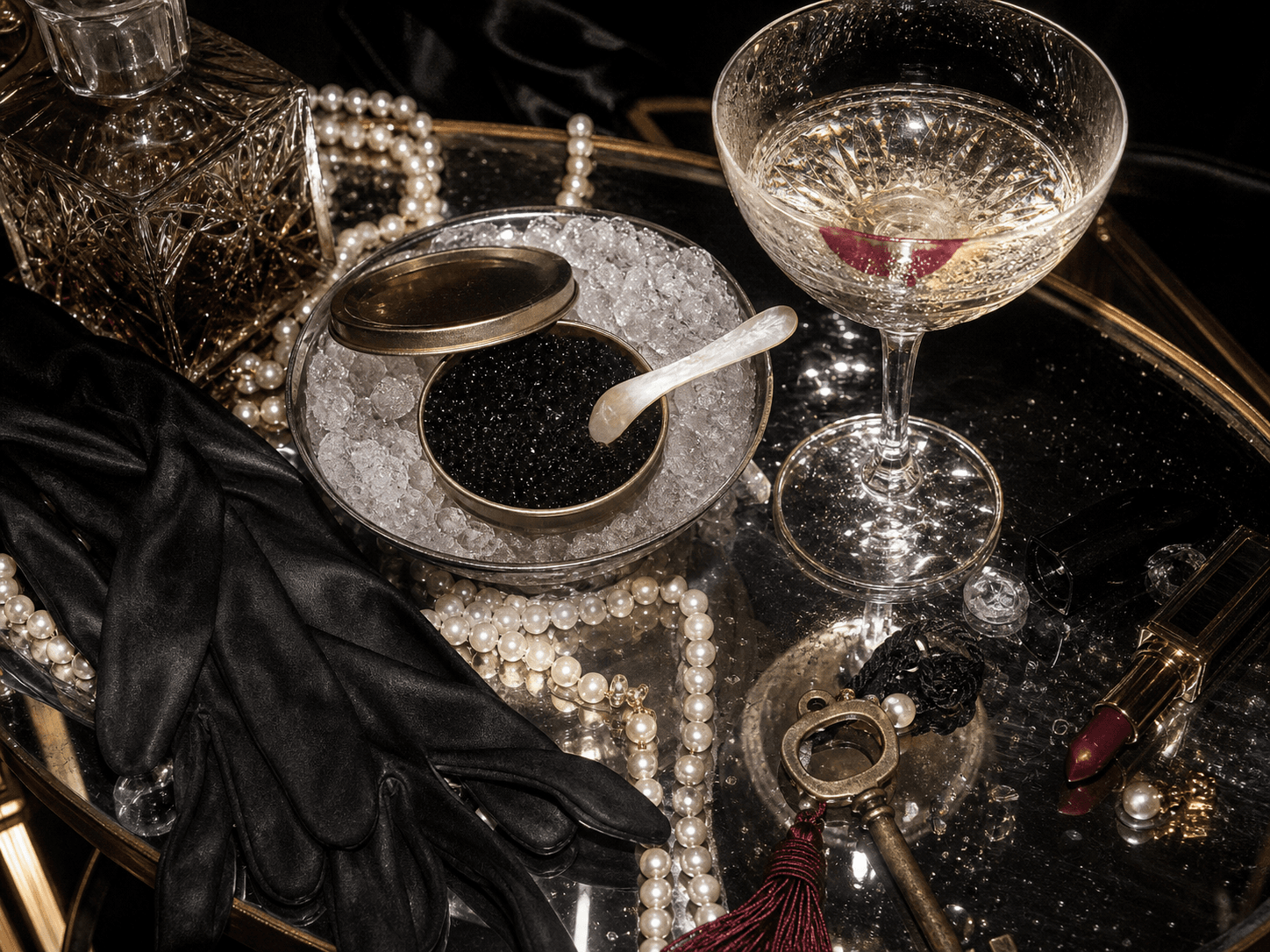
The appointment begins before the store opens. At 9:45 a sales associate unlocks a side door on a quiet street and leads one client upstairs, past the bright public floor, to a room with no visible register. Coffee arrives in porcelain. Three garment bags hang behind a screen. On a low table, a handwritten card lists the client’s sizes, recent purchases, and the name of a restaurant she mentioned during her last visit six months ago.
Private shopping appointments were once the sleepy ritual of couture clients and department-store loyalists. Now they are becoming luxury retail’s most carefully revived service. Stores are restoring salons, training staff to build wardrobes rather than transactions, and inviting customers to shop before hours or after closing. The appeal is not secrecy for its own sake. It is relief from the speed, noise, and infinite choice that have made ordinary shopping feel like administrative work.
The opposite of endless scroll
Online retail promised perfect access: every size, every color, every hour. It also turned taste into a sorting problem. The private appointment offers the opposite proposition. Someone else has looked at everything first. The rail contains twelve pieces, not twelve thousand. Each one has been selected with a memory of the client’s body, calendar, and tolerance for attention. Relevance, rather than abundance, is the luxury being sold.
The room matters. The most convincing salons do not resemble stores. They borrow the codes of apartments and hotel suites: low lamps, rugs that soften footsteps, art placed at conversational height. Mirrors are generous without being theatrical. Doors close completely. A client can walk, sit, take a call, and see how a coat behaves when she is doing something other than posing beneath retail lights. Time stretches because the room contains no cues to hurry.
The rarest thing in luxury retail is no longer the product. It is undivided attention without a countdown.
This revival depends on a particular kind of salesperson, though the industry increasingly prefers the term adviser. The best remember what was returned and why. They know which alterations made an unworn jacket indispensable. They can tell when a client wants to be challenged and when she wants the navy version of something she already understands. Their work is part archive, part translation, and part gentle opposition. A trusted adviser earns the right to say that the expensive dress is wrong.
Service without performance
For years, luxury service leaned heavily on spectacle: champagne offered before preferences were known, velvet ropes visible from the street, packaging designed to become content. The new appointment is quieter. Drinks still arrive, but the real signal is preparation. A shoe has been brought in from another location. A sleeve has been pinned in advance. A hard-to-find bag appears only after a conversation about whether it fits the client’s actual life. The service feels personal because it contains evidence of work performed out of sight.
Clients say privacy changes what they are willing to try. Without strangers passing the fitting-room curtain, a severe dresser can experiment with color. Someone shopping after a body change can take time without narrating it. A public figure can consider a recognizable piece without creating a rumor before deciding to buy it. The closed room makes indecision safe, and safe indecision often leads to more adventurous choices.
There is an economic reason for the attention. Stores know that a well-run appointment produces fewer returns, stronger loyalty, and purchases across categories. But reducing the experience to conversion misses why clients keep returning. The appointment converts shopping from acquisition into collaboration. A wardrobe develops over seasons. The adviser sees gaps that an algorithm cannot distinguish from restraint. The client gains an external memory for every hem, invitation, and ambitious mistake.
Who gets the key
Private does not always mean invitation-only. Some stores now allow any customer to request an appointment, then tailor the format to the purpose. A first-time client buying one important suit may receive the same quiet room as a collector reviewing an entire season. The distinction is not how much money enters the salon. It is how specifically the hour has been prepared. This broader approach makes privacy feel like service rather than social ranking.
The potential awkwardness remains. An overattentive appointment can become a hostage situation with sparkling water. Clients need permission to leave empty-handed, and advisers need the confidence not to fill every silence with another option. The best appointments contain moments when nobody sells anything. A client stands at the mirror. The adviser steps back. The garment either begins to make sense or it does not.
Upstairs, the morning client tries the final coat just after noon. It is not one of the pieces listed on the card. The adviser brought it in because the shoulder resembled a jacket the client wore constantly before it could no longer be repaired. She walks once across the rug, puts both hands in the pockets, and laughs at the familiarity of it. There is no dramatic reveal and no rush toward the register. The coat is left on while lunch is ordered. The appointment has become the afternoon.
Before leaving, the client photographs three pieces she did not buy. The adviser records why: one needs a lower heel, another a different fabric, the third a life with more dinners. These notes are not failures. They are the material of the next appointment. Luxury service improves when it remembers refusal as carefully as purchase, because taste is shaped at least as much by what a person consistently leaves behind.
The side door opens again just after two. Outside, the street is louder than the salon and the client needs a moment to adjust. She carries one plain garment bag and no visible receipt. Nothing about the exit announces the hours spent upstairs. That discretion is the final service. The appointment creates an experience rich enough to matter and private enough that it does not need to become proof.