The bag on the café chair is large enough to be mistaken for a guest. Its owner has placed it carefully between herself and the wall, but the soft leather continues to spread, revealing the shapes of its contents: a book, a water bottle, headphones, a pair of sunglasses in an unnecessarily hard case. When her phone rings somewhere near the bottom, she reaches in with both hands and laughs. The search takes time. Nobody at the table suggests a smaller bag.
After years of handbags sized for a single lipstick and optimistic planning, fashion has rediscovered capacity. The new bags are broad, soft, and visibly occupied. They hang from shoulders with the useful slump of things carried daily. Some are polished top-handle bags enlarged to near-comic proportions. Others resemble archival totes rescued from the era when people left home without expecting every object to become lighter, thinner, and available in the cloud.
Reality enters the silhouette
The return of the big bag is not only a pendulum swing after the tiny-bag craze. It reflects how much equipment ordinary life now requires. A phone is no longer enough; it brings a charger, battery pack, and headphones. Flexible work creates the possibility of carrying a laptop even on days when one hopes not to open it. Weather changes mid-afternoon. Shoes that looked persuasive at breakfast become a negotiation by six. The handbag has expanded because the schedule has.
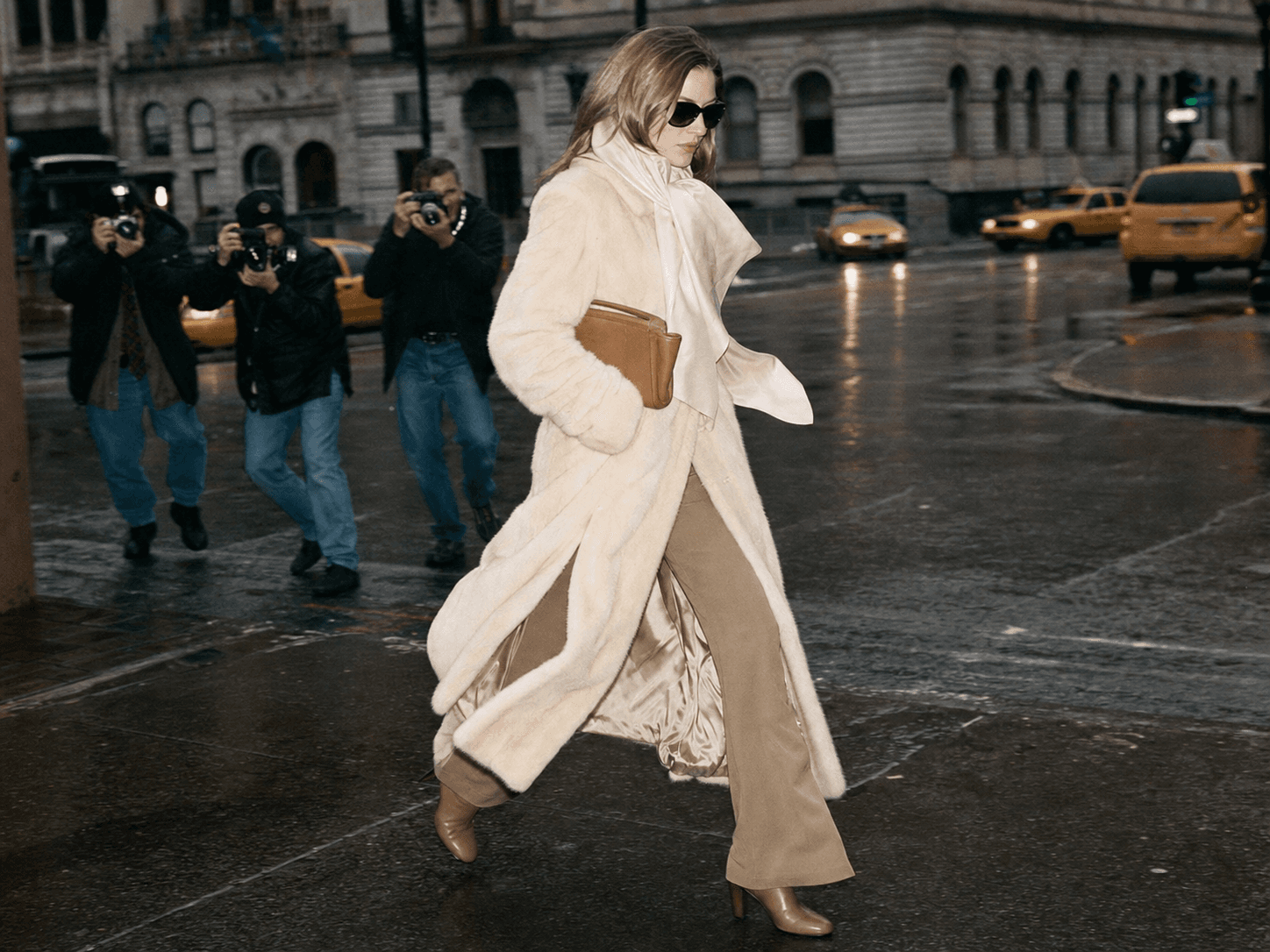
This practicality changes the body line. A small bag punctuates an outfit. A large one becomes part of its architecture. It lowers a shoulder, interrupts a coat, and creates movement when the wearer walks. Designers are leaning into that presence with deep folds, wide straps, and handles long enough to fit over substantial outerwear. The most compelling bags do not look empty in product photographs. They look as though someone set them down for a moment and plans to return.
The new status symbol is not carrying less. It is carrying everything without looking surprised by the weight.
There is a new attitude toward wear as well. The giant bag is not meant to remain pristine. Corners soften. Handles darken. The base gathers the evidence of taxis, office floors, and airport security trays. In an industry that often treats damage as failure, these bags improve when ownership becomes visible. Their value lies partly in surviving enough life to develop a shape no display model can reproduce.
What is everyone carrying?
Ask a person to empty a large bag and the result resembles a small biography. There are the predictable objects—wallet, keys, phone—and the contingency plans: painkillers, safety pins, a snack, two kinds of hand cream, receipts that may be important. There is often a book carried longer than it has been read, and a pouch containing smaller pouches. The contents show how people care for future versions of themselves and for whoever sits beside them when something spills.
Stylists have begun using that fullness deliberately. Bags are padded before shoots so they hang with convincing weight. Tissue paper has been replaced with sweaters, magazines, and spare shoes that create irregular, human volume. The goal is not mess but evidence. An empty large bag can read like a prop. A filled one tells the eye that the person in the clothes has somewhere to go after the photograph.
The trend has revived an old etiquette problem: where does the bag sit? Too large for the back of a chair and too precious for the floor, it claims banquettes, windowsills, and occasionally its own stool. Restaurants have responded with bag hooks and small stands. Cars are arranged around it. The bag’s physical inconvenience becomes part of its charm, like a dramatic coat in a narrow hallway. Fashion has always enjoyed making space announce itself.
Capacity without chaos
A useful big bag still requires editing. Without internal structure, it becomes a dark room where time disappears. The best designs include one secure pocket for the objects that cannot join the general population. Everything else benefits from soft organization: a bright pouch, a glasses case, a notebook placed vertically along the side. The point is not to carry every possession. It is to carry what the day may reasonably ask for without performing a ritual of sacrifice at the front door.
Proportion matters more than body type. A bag that looks generous on one frame may look merely medium on another, but the desired effect is the same: intentional excess. It should be clearly larger than necessary for an evening and slightly more elegant than necessary for daytime. Softness helps. A rigid bag of enormous scale can feel like luggage; a supple one folds against the body and makes its size seem personal.
At the café, the missing phone is eventually found beneath a scarf. The bag’s owner pulls it out along with a packet of almonds and a charger someone at the table immediately asks to borrow. This is the large bag’s final argument. It may occupy a chair and complicate every search, but it makes a person unusually prepared for the small failures of the day. After an era devoted to looking unburdened, fashion has made carrying things visible again—and discovered that preparedness can be its own kind of glamour.
The bag leaves the café heavier than it arrived. Someone has passed over a document for safekeeping. A small purchase has disappeared inside without requiring another branded shopping bag. This quiet accumulation is what miniature handbags edited out of the fashion image: the way a day leaves physical traces. A capacious bag records those traces without complaint. By evening, it contains the morning’s plans, the afternoon’s revisions, and at least one object belonging to somebody else.
Tomorrow, most of it will still be there. The book will move to another table, the almonds will be replaced, and the charger will rescue a different phone. The bag is not a container awaiting perfect organization. It is a portable room, already lived in.