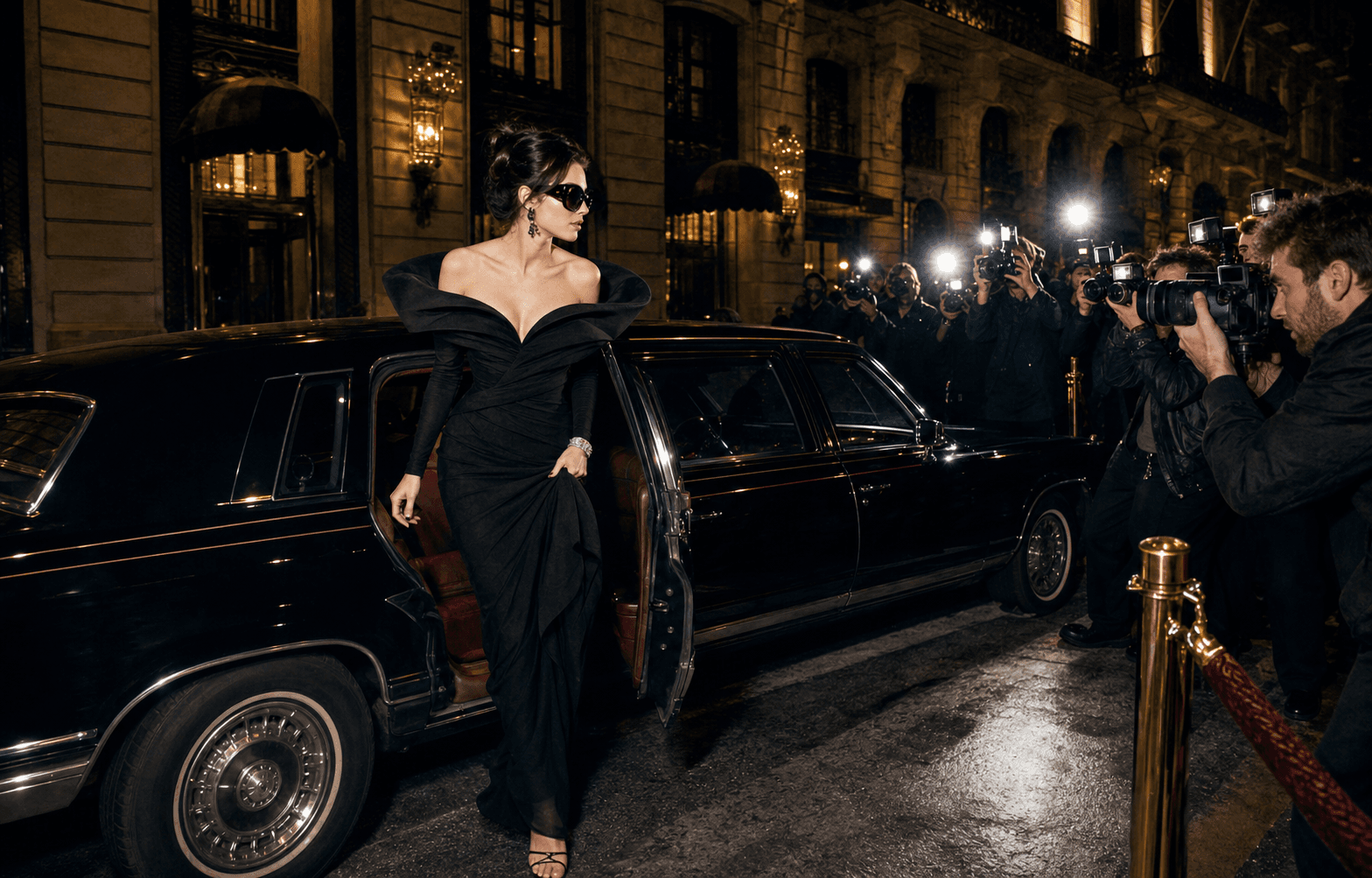
The photograph appeared just after breakfast: a young actor leaving a downtown restaurant in an old leather jacket, carrying a paperback with the cover turned deliberately toward the cameras. Within an hour, the title had sold out at two independent bookstores. By lunch, screenshots of highlighted passages were circulating beside close-ups of the actor’s shoes. Nobody knew whether the book had been opened. Everybody had an opinion about what choosing it meant.
The celebrity book carry has become a red carpet in miniature. A book is cheaper than a bag, quieter than a statement T-shirt, and infinitely more interpretable than a coffee cup. It can signal seriousness, humor, politics, romance, or an attractively inconvenient inner life. Most importantly, it can do all of this while appearing accidental. A person merely walked outside holding the thing they were reading. The cameras did the rest.
The accessory with a plot
Publicists once used airport photographs to introduce a haircut or restore the reputation of a denim silhouette. The book performs a subtler kind of work. It adds an interior room to a public image. The singer known for stadium-sized choruses carries slim poetry. The action star carries an architectural history. The comedian carries a melancholy novel translated from Norwegian. Each choice creates productive friction between the person audiences think they know and the private reader the photograph invites them to imagine.
Unlike most celebrity accessories, books arrive with existing communities attached. Readers recognize the cover from across the frame. They have feelings about the ending. They know whether the choice is obvious, obscure, newly released, suspiciously pristine, or genuinely strange. This makes the image participatory. Fans do not simply identify the object; they place the famous person inside a conversation that began long before the photograph and will continue after the outfit has been catalogued.
A handbag tells you what someone can buy. A book suggests what they might think about when nobody is looking.
Of course, nobody is naive about the possibility of styling. Books are selected for editorial shoots, stacked in carefully casual home tours, and handed to people before photographs. But calculation does not cancel meaning. Clothing is styled too, and we still discuss it as expression. The more interesting question is why this particular object now feels valuable enough to calculate. In an image culture built around instant recognition, a book slows the viewer down. The title must be found, searched, summarized, argued over. It gives the photograph a second life.
What the spine reveals
The physical condition of the book has become part of the evidence. A broken spine suggests commitment. A receipt used as a bookmark provides a timeline. Notes in the margin, if the lens can catch them, produce forensic excitement normally reserved for jewelry on the wrong hand. New hardcovers can look promotional; soft, swollen paperbacks imply a life lived alongside the reader. The ideal book carry balances legibility with wear, as though the camera discovered a private habit already in progress.
Booksellers have learned to prepare for the effect. When a photograph begins moving online, staff members identify the edition before most entertainment outlets publish the title. A table appears near the register. Online inventories update. The resulting sales bump can be sudden and oddly democratic: a single candid photograph may do more for a backlist novel than a month of conventional advertising. The author, often uninvolved, wakes to find an old book newly enrolled in celebrity culture.
The trend also gives fans a form of imitation that does not require luxury access. The coat may cost more than rent, but the paperback is twelve dollars used. Reading it offers a deeper kind of participation than locating a dupe. For several hours, the fan and the famous reader occupy the same sequence of sentences. Whether the celebrity finished the book is beside the point. The fan might, and the image has already created the route.
Reading the reader
There are risks. An ambitious title can look like homework assigned by a branding consultant. A conspicuously controversial book can hijack the entire news cycle. A beloved novel invites questions about adaptations, options, and secret projects even when none exist. The safest choices are surprising without being declarative: a cult classic, an elegant mystery, an out-of-print memoir found in a hotel library. The best carries create curiosity rather than a position statement.
Still, the fascination says less about celebrities than it does about the rest of us. We want evidence of unperformed attention. We want to believe that a person whose face appears on every screen occasionally looks down at a page that cannot refresh. The book in the photograph may be strategic, half-read, or borrowed five minutes earlier. It still represents the possibility of a private mind, and privacy is the rarest luxury a famous person can display.
The actor from the breakfast photograph was seen again that evening. The jacket had changed. The book had not. This time the cover faced inward, protected against the actor’s coat as rain began to fall. The second image traveled less widely, but it was more convincing. Somewhere between the restaurant and the car, the accessory had become an object again. That was enough to send another group of readers to the bookstore.
A week later, the book appeared once more, now visibly bent and missing its dust jacket. No interview explained the choice and no caption supplied a verdict. That silence preserved the image’s appeal. The audience could continue reading the reader: perhaps a role was being researched, perhaps a recommendation had landed, perhaps the book was simply good. In an industry built to eliminate ambiguity, the paperback created just enough room for imagination to remain useful.
Eventually another photograph will supply another title, and the attention will move on. The useful consequence remains on nightstands and library holds: thousands of people started reading because a familiar face carried an unfamiliar book through a doorway. Public image, for once, opened toward private attention.